Vegan Protein Powder – Best in Test 2026! | Hardworkout Magazine
Key takeaways
- Of the 20 amino acids found in the body, eight are essential – nine for infants – and must come from the diet because the body cannot produce them itself.
- People who train a lot may need around 2 g of protein per kilo of bodyweight per day.
- Vegan protein powders built from several protein sources generally have a better amino acid profile than single-source powders, which is why protein composition carries the heaviest weight (40 of 100 points) in this test.
- Pea protein contains roughly 82 % protein and all the essential amino acids, but is comparatively low in methionine – which is why it is often blended with rice protein, a source particularly rich in cysteine and methionine.
- Hemp protein contains around 50 % protein and more carbohydrate and fat than pea, rice and soy protein, but is a good source of plant-based omega-3 and fibre.
We give you an overview of the best and most popular types of vegan protein powder in 2026!
For those who eat plant-based, it can be wise to supplement with a vegan protein powder to ensure a sufficient intake of proteins. This is especially important for anyone who trains – who has an even greater protein need.
Vegan protein powder – Best in test 2026!
Hardworkout.no is committed to ensuring that the tests are independent and credible. We have focused on criteria such as (ingredients/active substances, stated effect, documented effect, as well as studies and other documentation) to compile our top lists.
The products have been tested by evaluating nutritional content (protein composition, carbohydrates, sugar content, and fat), taste and consistency, and price.
You can read more about the criteria for the vegan protein test further down in the article.
Prices are updated regularly and reflect the best prices on the market. PS: The price is recommended, but if you click on the purchase link, you will get an updated price that reflects the best prices on the market.
By shopping through the links in the test, you contribute to our ability to continue publishing quality-conscious tests and articles, and we greatly appreciate it if you do this.
Best in test: [ELIT Vegan proteinpulver](https://hardworkout.no/ELIT-Vegan-proteinpulver)
How did we test the vegan protein powders?
This list consists of various types of vegan protein powders that we can recommend based on different criteria we consider most important when choosing the right protein powder:
Protein Composition (40)
We have assessed both the total amount of protein and the composition of the protein sources.
Products that combine multiple protein sources score higher than products that consist of only one protein source. Emphasis has also been placed on whether the product consists of protein isolate, protein concentrate, or a combination of these.
Types of proteins evaluated:
Pea protein, rice protein, soy protein, oat protein, and other plant-based protein sources. Carbohydrate Content (10)
Protein powders with lower carbohydrate content score higher.
Sugar Content (5)
Protein powders with lower sugar content score higher.
Fat Content (5)
Protein powders with lower fat content score higher.
Taste (20)
We have tested the most popular flavors where this has been available, including chocolate and vanilla.
Taste preferences are individual, but we have emphasized that the protein powder should have a natural flavor without artificial notes or strong aftertaste.
The powder has been tested both in water and plant-based alternatives where relevant, to see if it makes any difference in taste.
Texture and Solubility (10)
Here we tested how easily the powder mixed into liquid, whether it easily formed clumps, and how much or little liquid was necessary to achieve a smooth and creamy texture.
We mixed it in both water and plant-based alternatives to see if this affected the texture.
Price (10)
Price per kilo has been assessed in relation to protein composition and protein content.
A product that combines multiple protein sources or uses a high proportion of protein isolate will typically cost more than a product based on simpler protein sources. Price is therefore evaluated against content and quality.
Serving size varies between the different products.
How much protein do you need if you train a lot?
Proteins are made up of amino acids. In the body, we have 20 different amino acids, of which 8 (9 for infants) are essential, meaning that the body cannot produce them on its own and we must obtain them through our diet.
Amino acids have many important functions in the body and are crucial for the building of cells and tissues throughout the body, in the production of hormones and enzymes, and normal function of the immune system. Additionally, they can be used as an extra energy reserve.
Proteins are stored as fat in the body if one consumes more than the body can absorb and is also in a calorie surplus.
Proteins are important for muscle growth and are also important if you want to lose weight, as proteins keep you full longer and lead to fewer calories consumed.
A large part of the proteins in the diet comes from animal products such as eggs, meat, fish, dairy products, and poultry.
Those with a vegan diet must therefore be even more conscious of what they eat to ensure they get enough proteins and nutrients through their diet.
Although supplements should not replace regular food, protein powder is a good and inexpensive source of protein that can ensure adequate protein intake throughout the day and is also of high nutritional quality.
For those who train a lot, the daily requirement can be around 2 g of protein/kg body weight.
Milk-based protein powder comes in the form of whey or casein, or a blend of these.
What is vegan protein?
Vegan protein powder is composed of one or more vegan protein sources. Those made from multiple types often have a better amino acid profile. In addition to protein, they also contain other nutrients such as fiber, antioxidants, zinc, iron, and potassium.
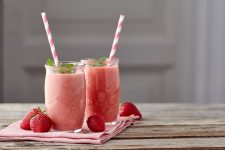
Vegan protein powder obviously does not taste the same as regular milk-based protein powder, but nutritionally it has improved significantly in recent years. It is also perfect to have in smoothies!
It is available in various flavors such as vanilla, chocolate, and strawberry, but is also available with a neutral flavor, which can provide more uses.
This type of protein powder can also be nice for those who react to the lactose in milk-based types. Otherwise, protein isolate from milk protein is also almost free of lactose.
What is the difference between isolate, concentrate and hydrolysate?
Protein powder comes in three different forms; isolate, concentrate, and hydrolysate. Isolate is the most concentrated form and has the highest protein content, where almost all fat and carbohydrates have been removed.
Which plant-based foods are highest in protein?
Plant-based protein sources include legumes such as beans, peas, and lentils, soy products, grains and whole grain products, seeds, and nuts. These foods have a lower protein content than animal foods, and therefore larger amounts must be consumed to meet protein needs.
The most common protein sources in vegan protein powder are peas, rice, soy, and hemp.
In addition, there is also vegan protein powder produced from oats, nuts, cranberries, sunflower, seeds, and several other plant sources.