Proteins Before Bedtime Are Crucial for Muscle Growth! | Hardworkout Magazine
Key takeaways
- Casein is absorbed at roughly 6.1g per hour, compared with 8-10g per hour for regular whey, which makes it better suited to the overnight fasting period.
- An intake of 30-40g of protein before bedtime helps maintain and build muscle mass without increasing the risk of gaining fat.
- In one study tracking 30g of dietary protein, only 57% of the protein appeared in the circulatory system, and only 10% of that absorbed fraction reached the muscles.
- During the 8-10 hours of sleep, muscle breakdown exceeds muscle protein synthesis unless slow-digesting protein is consumed beforehand.
- Combining one serving of casein with half a serving of protein isolate supplies the muscles with roughly 40g of protein and covers both fast and slow absorption.
Sufficient protein is crucial for building muscle. Many consume a lot of protein throughout the day, but can a larger intake of protein before going to bed in the evening optimize muscle growth? And if so, which types of protein are best?
The clearly most decisive factor for muscle growth, along with training, is a sufficient intake of protein. The amount of protein consumed throughout the day has a huge impact on ensuring that muscle growth does not stagnate or, in the worst case, break down. To ensure the greatest possible progress in your training efforts, you should always make sure to be in the right protein balance; otherwise, much of the work you do will be completely wasted.
Homeostasis and Protein Synthesis
Homeostasis is the term for "the state in which we maintain a constant internal equilibrium for temperature, blood pressure, fluid volume, concentration of salts, and similar factors, despite external stresses." Homeostasis also regulates muscle growth. Muscles consist of muscle tissue, our most metabolically active and adaptable tissue. This tissue is in a constant state of change and is either broken down or built up depending on external stimuli (for example, exercise) and the raw materials it has to work with (for example, protein).
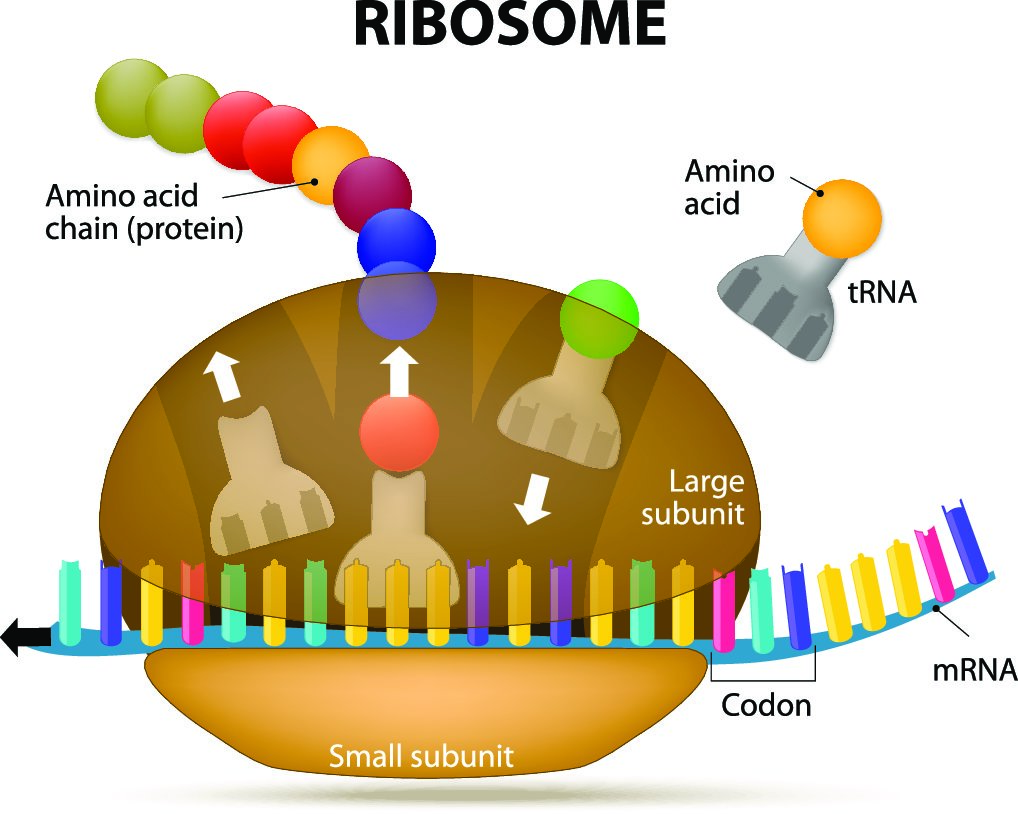
The process by which new proteins are formed is called protein synthesis. Protein synthesis is almost synonymous with muscle growth and is a state that most bodybuilders wish to be in. On the other hand, we have protein degradation, where proteins are broken down and we lose muscle mass. This occurs when we do not have protein synthesis (there is no state between these). If you have a goal of strength training to gain weight and muscle mass, it is therefore very important that you are at all times in an anabolic state so that the muscle tissue is in a continuous state of protein synthesis.
Many probably think that they are getting sufficient amounts of protein through daily meals with chicken, fish, eggs, beef, etc., perhaps supplemented with a protein shake or two. As long as protein intake is high enough, protein synthesis will continue uninterrupted. However, despite adequate protein intake throughout the day, it can most likely be improved, and not least contribute to greater progress in training and better conditions for muscle growth.
The Importance of Protein at Night
Muscle protein synthesis occurs as a result of hypertrophy-focused training and protein consumption. The majority focus more on the workout itself than on recovery, and this is an important area to address. Both research and experiments conducted in reality have shown that certain "key periods" for protein intake are often overlooked. One study showed that even experienced athletes typically consume protein throughout the day (1.2g protein/gram body weight/three times daily), while on average, only 7g of protein was consumed before bedtime.
Here lies the challenge. We have been conditioned to believe that all food consumed before bedtime will more easily lead to obesity, and therefore protein intake has been neglected. Regardless of the reason, whether it is the fear of gaining fat or laziness that prevents you from preparing a protein-rich meal, the lack of protein before bedtime will have a detrimental effect on muscle mass. Research has shown that the intake of high-quality proteins before bedtime does NOT lead to a greater risk of gaining fat, but has the exact opposite effect; increased metabolism and fat burning!
How much protein should you eat before bed?
As long as you do not consume large portions of fatty foods and ten-egg omelets, an intake of 30-40g of protein before bedtime will help maintain and build muscle mass, in addition to boosting metabolism.
Also read: [Blended protein with whey and casein – Best in test!](https://hardworkout.no/blandingsprotein-whey-og-kasein-best/)

Why is casein the best protein before sleep?
There are many types of proteins, but the best type of protein at bedtime is casein. Caseins have very little impact on blood sugar and encourage the body to use more fat as fuel. It also ensures a more even release of amino acids into the blood so that muscle protein synthesis is stimulated at all times and does not begin muscle breakdown.
Boost Protein Synthesis and Muscle Growth!
Avoiding protein before bed can, in other words, contribute to you stagnating faster and stopping muscle gain. Proteins are not only used to build muscles but are also involved in necessary processes such as the production of blood cells and many important enzymes. Only a small percentage of the proteins we consume through our diet are used to build muscles. An interesting study examined protein intake in 12 healthy young men (the other 12 in a group of 24 men received a placebo) and used markers to track 30g of protein consumed through the diet. The researchers discovered that only 57% of the proteins appeared in the circulatory system. The rest disappeared with the feces.
Of the 57% of proteins that the body absorbed, only 10% went to the muscles. In other words; a 40g serving of protein will provide the muscles with only 4g for rebuilding!
To ensure that the muscles always have enough protein to work with, you should ensure a steady supply of protein throughout the day. As long as you are awake and active, you should aim for proteins with high biological value. You can find this in natural forms in chicken, eggs, meat, etc. However, before you go to bed and the body enters a dormant state, different proteins are needed. An adequate intake of slow proteins will ensure sustained protein synthesis throughout the night. If you do not do this, the liver and muscles will be forced to send amino acids and glucose into the bloodstream to maintain glucose levels and metabolism to keep the body going.
Researchers have found evidence that during the 8-10 hours we sleep and the body is fasting, muscle breakdown will exceed muscle protein synthesis. Findings also showed that when casein protein was consumed before the sleep period, muscle protein synthesis was greater.
[](https://hardworkout.no/15-minutters-treningsprogram-for-en-sterkere-kjerne/)
Free Training Program
15-minute training program for a stronger core
A strong core is about much more than visible abs. The muscles…
Date: Sep 30, 2026
[](https://hardworkout.no/sammenleggbar-trappemaskin/)
Cardio Equipment
Foldable stair machine – Top 10 – Best in test 2026!
Looking for a foldable stair machine for home use? We give you…
Date: Sep 30, 2026
[](https://hardworkout.no/slik-bygger-du-gode-vaner-for-trening-og-kosthold/)
Weight Loss & Metabolism
How to Build Good Habits for Training and Nutrition
There are many ways to eat healthy and train effectively.…
Date: Sep 25, 2026
Best Protein Alternatives
Pure proteins that contain a complete composition of essential amino acids are the best option before you go to bed. This type of protein can be found in natural foods such as egg whites and low-fat cottage cheese (rich in casein). If you choose to consume the proteins through a protein shake or as another supplement, casein is the best option due to its slow absorption rate of 6.1g per hour. Regular whey protein has an absorption rate of 8-10g per hour and is absorbed too quickly for the body to utilize the proteins throughout the fasting period.
Casein also has the beneficial effect of slowing digestion and thus also the breakdown of proteins, and this occurs while it boosts muscle protein synthesis!

Check our overview of [Best in test Protein Powder](https://hardworkout.no/proteinpulver/)
Get the Most Benefit
When we sleep, the body is in a light dormant state, but there are still a number of physiological processes that need to be managed and that require energy. Researchers at McMaster University have found a connection between a high protein intake, muscle growth, and fat reduction when combined with high-intensity resistance training. One of the main reasons muscle growth stagnates is that the body initiates muscle breakdown during the night to release amino acids into the bloodstream. A simple dose of casein protein may be enough to counteract this and to ensure that muscle protein synthesis continues optimally.
Should you mix casein and whey before bed?
A high-quality casein supplement will provide the body with a steady supply of protein for about ten hours. Since casein is absorbed more slowly than whey protein, it may be wise to mix the two protein variants. By combining one serving of casein with half a serving of protein isolate, you will ensure that you provide the muscles with about 40g of building blocks for hungry muscles, and you will get the best of both worlds; optimal conditions for muscle growth and long-lasting proteins for muscle maintenance.
A brief summary regarding protein intake:
Always ensure that you provide the muscles with enough protein to maintain protein synthesis throughout the night. Casein is an excellent option for bodybuilders, powerlifters, and athletes at all levels. Remember that it is when you rest and sleep that muscles are built!
Sources
Night Gains: Should You Consume Protein Before Bed? [Mensfitness.com](https://www.muscleandstrength.com/articles/should-you-consume-protein-before-bed)