Nutrition Plan That Preserves Muscle Mass and Reduces Body Fat Percentage! | Hardworkout Magazine
Key takeaways
- A daily deficit of 300–500 calories is enough; a larger deficit slows the metabolism and leaves you with low energy.
- Aim for 1.6–2.0 g of protein per kilo of body weight a day, spread across every meal, to protect muscle mass while losing fat.
- Basal metabolic rate can be estimated with Mifflin's formula and then multiplied by an activity factor (PAL) between 1.2 and 2.4 to give daily calorie needs.
- Eating 300–450 g of lean fish a week, of which 200 g should be oily fish, covers the recommended minimum intake of 250 mg EPA/DHA a day.
Do you want to reduce your body fat percentage but find it difficult to know what and how much you should eat? To reduce fat mass without compromising muscle mass and energy, it is wise to have a slightly longer time perspective on this, and to avoid eating too little food.
Here we provide you with good advice on what you should do to change your body composition in a healthy way. Follow this meal plan with a weekly menu composed of completely normal healthy, good, and nutritious food.
How to Lower Your Body Fat Percentage
Drink water consistently throughout the day and get extra fluids when you exercise. When you stay hydrated, you will also avoid your body retaining excess fluid.
Prioritize getting enough sleep to maintain stable hormone levels and metabolism. It is easier to resort to "wrong" foods when you sleep too little.
Does strength training really raise your metabolism?
Stay active throughout the day, focusing on everyday activities. This way, you will burn extra calories without it feeling strenuous.
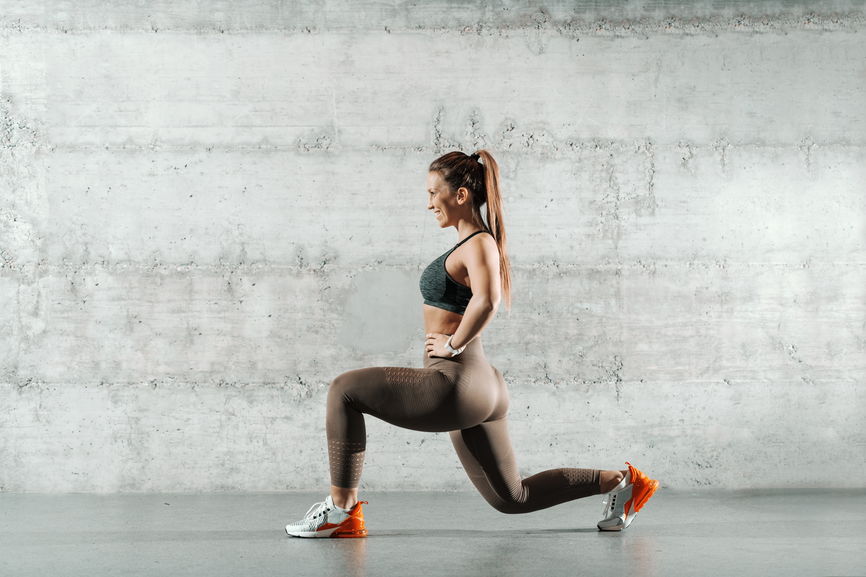
Train strength regularly as strength training helps to increase muscle mass, and more muscle mass will increase your resting metabolism.
Feel free to choose exercises that activate several large muscle groups at the same time and preferably in combination with HIIT training, which is very effective for fat burning.
How much protein do you need per kilo of body weight?
Eat natural foods that are minimally processed. This food will keep you full longer and provide a more stable energy level and blood sugar.
Eat protein at every meal and aim for around 1.6-2.0 g/kg body weight throughout the day.
Proteins provide a better feeling of fullness than carbohydrates and fats, and balanced meals will lead to more stable blood sugar. Proteins are also important for building and maintaining muscle mass.
Choose lean products and foods with low calories, which can thus be eaten in larger volumes and fill up the stomach.

Eat More Vegetables and Fiber
Vegetables generally contain few calories, allowing you to eat larger volumes of them. This way, the stomach fills up, and you will avoid feeling so hungry.
Fiber-rich foods such as vegetables, berries, rice, pasta, and whole grain bread also contribute to slower absorption of food and provide better digestion.
Choose Healthy Fat Sources
Get omega-3, preferably from fish, but supplements help too.
Omega-3 is healthy fat that affects the hormones that control fat storage in the body, in addition to many other beneficial health effects.
Also, get healthy fats from avocados, nuts, seeds, and plant oils.

Think Lifestyle Change Rather Than Diet
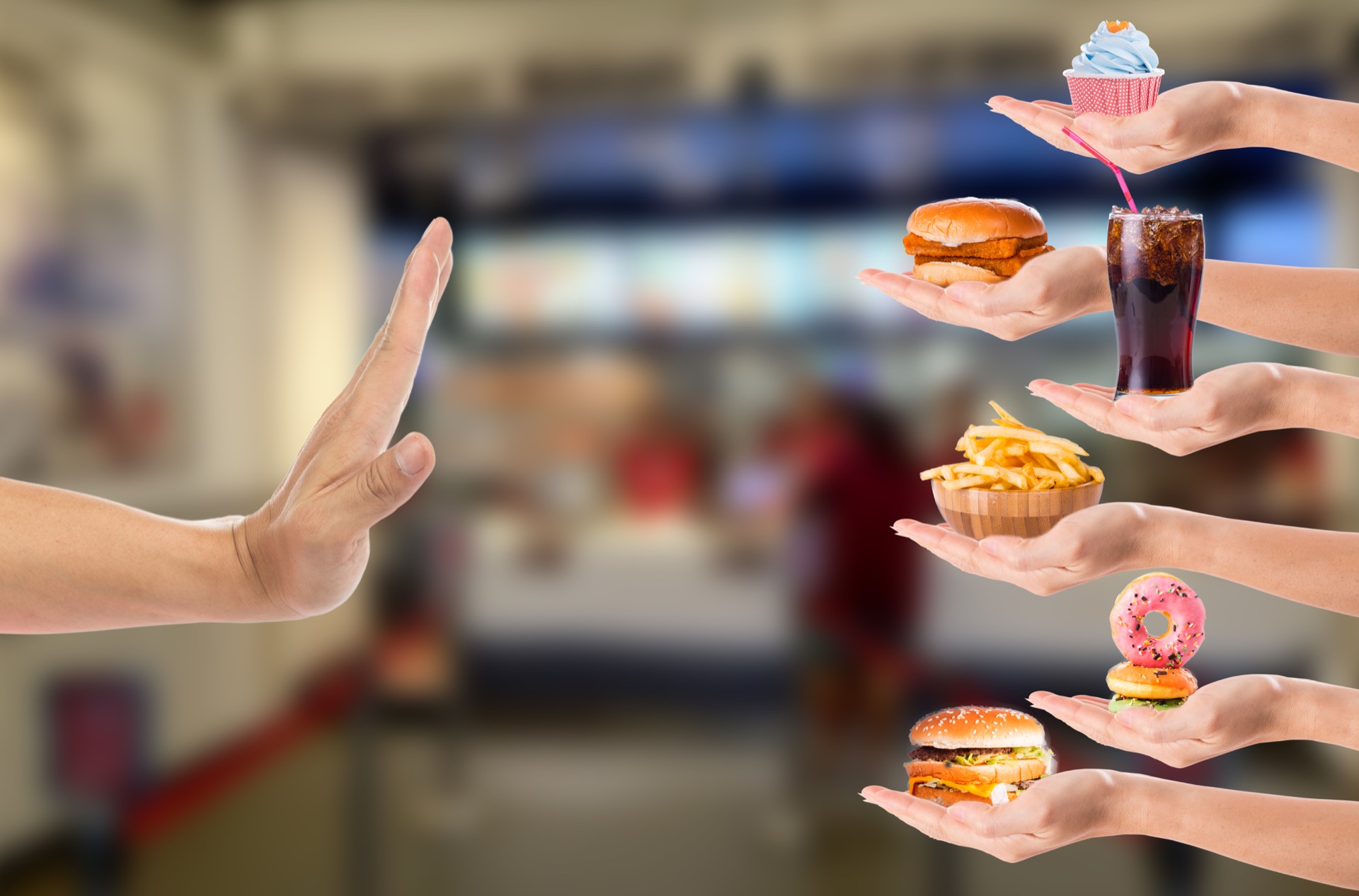
Reduce your intake of sugary foods and drinks and limit your consumption of ultra-processed foods and ready-made products. These are calorie-dense foods and drinks that provide little energy and nutrition, and you will quickly feel hungry again. This will also make it easier for you to consume too many calories throughout the day than you actually need.
Find a balance in your diet, and avoid too much "yes and no" food.
Eat regular meals throughout the day and rather limit the amount instead of cutting out certain foods completely. This makes it easier to maintain a healthy "diet" over time.


How many calories should you cut to lose fat without losing muscle?
To reduce body fat, you must either increase your activity level so that you burn more calories than you eat, or you must maintain a caloric deficit, which means you eat slightly less than you burn throughout the day.
A combination of a small caloric deficit and a bit of extra exercise is recommended.
A caloric deficit of 300-500 calories is sufficient, as too large a caloric deficit will slow down metabolism and lead to low energy levels.
A too low caloric intake will also make it difficult to maintain a healthy diet, and you will crave more fatty, salty, and sugary foods.
Why does a lower body fat percentage matter for your health?
Reducing body fat percentage is not just about revealing abs, but is also important for health. Neither too high nor too low body fat percentage is good for the body over time.
Reducing body fat to a normal level can reduce the risk of diseases such as diabetes, obesity, and cardiovascular diseases, improve insulin sensitivity, and enhance blood circulation and blood pressure.
Additionally, it will improve self-esteem, and the body will feel healthier and lighter, and both fitness and energy levels will increase.
Meal Plan – Weekly Menu with Recipes
This meal plan includes 3 main meals and 1 snack per day, totaling 2200-2300 calories.
The calorie amount is calculated for men who want to reduce body fat percentage.
The meal plan can easily be adjusted to your needs as the nutritional content is provided for all recipes, as well as for each food item.
You can also skip the snack if it better suits your calorie needs.
Monday
For breakfast, there will be filling and crunchy oatmeal with protein-rich vanilla quark, berries, and healthy fats from nuts.
Lunch will be a protein-rich omelet with turkey, wrapped in whole grain tortilla with salad and healthy, filling fats from avocado.
For dinner, there will be lean and protein-rich chicken breast with filling and fiber-rich rice and vegetables, accompanied by an exciting homemade teriyaki sauce.
Snack will be a simple protein shake (mix with milk for extra protein) and nutrient-rich carbohydrates from a banana. The banana also contains magnesium, which can help counteract muscle cramps after the workout.
- Breakfast: [Glazed Oatmeal and Quark](https://hardworkout.no/dessert-til-frokost-glaserte-havregryn-og-kesam/)
- Lunch: [Whole Grain Wraps with Omelet and Avocado](https://hardworkout.no/fullkorns-wraps-med-omelett-og-avokado/)
- Dinner: [Chicken Cashew in Teriyaki Sauce](https://hardworkout.no/kylling-cashew-i-teriyakisaus/)
- Snack: 30 g protein powder + 1 small banana
Total: 2320 calories.