Building Muscle on a Budget – Eat Smart and Save Money | Hardworkout Magazine
Key takeaways
- Cheap staple foods such as oats, eggs, chicken, tuna and legumes supply protein, fibre and carbohydrates at a low cost per serving.
- Frozen vegetables have the same nutritional value as fresh ones but keep far longer, which reduces food waste.
- Calorie needs can be estimated with the Mifflin–St Jeor equation and then multiplied by a physical activity level (PAL) factor ranging from 1.2 for bedridden people to 2.0–2.4 for physically demanding work.
- Repeating the same breakfast and lunch every day while varying dinners and snacks keeps shopping simple and limits the number of ingredients that go to waste.
How much does a week of budget muscle-building food actually cost?
Food prices are constantly rising, and many experience that healthy food quickly becomes a significant expense. Nevertheless, it is entirely possible to put together a diet that is both economical and provides the body with what it needs to perform in training.
With simple ingredients and a little planning, you can create meals that give the body energy, proteins, and healthy fat sources – without emptying your wallet. This plan shows how you can eat well and support muscle growth on a budget.
In short:
You can eat nutritious food without breaking the food budget.
Cheap staple foods like oats, eggs, chicken, tuna, and beans provide a lot of nutrition.
Frozen vegetables are both affordable, nutritious, and practical.
Planned meals provide better structure and less food waste.
Calorie distribution is tailored for those who train regularly.
The recipes are simple, filling, and require few ingredients.
Variety ensures you don't get bored in everyday life.
A budget-friendly diet provides both results and financial control.
Why is it wise to consider budget in your diet?
Training and building muscles require that you give your body the right fuel, but that doesn't mean your shopping cart has to become expensive.
Many are surprised by how much good nutrition can actually be found in the cheapest staple foods.
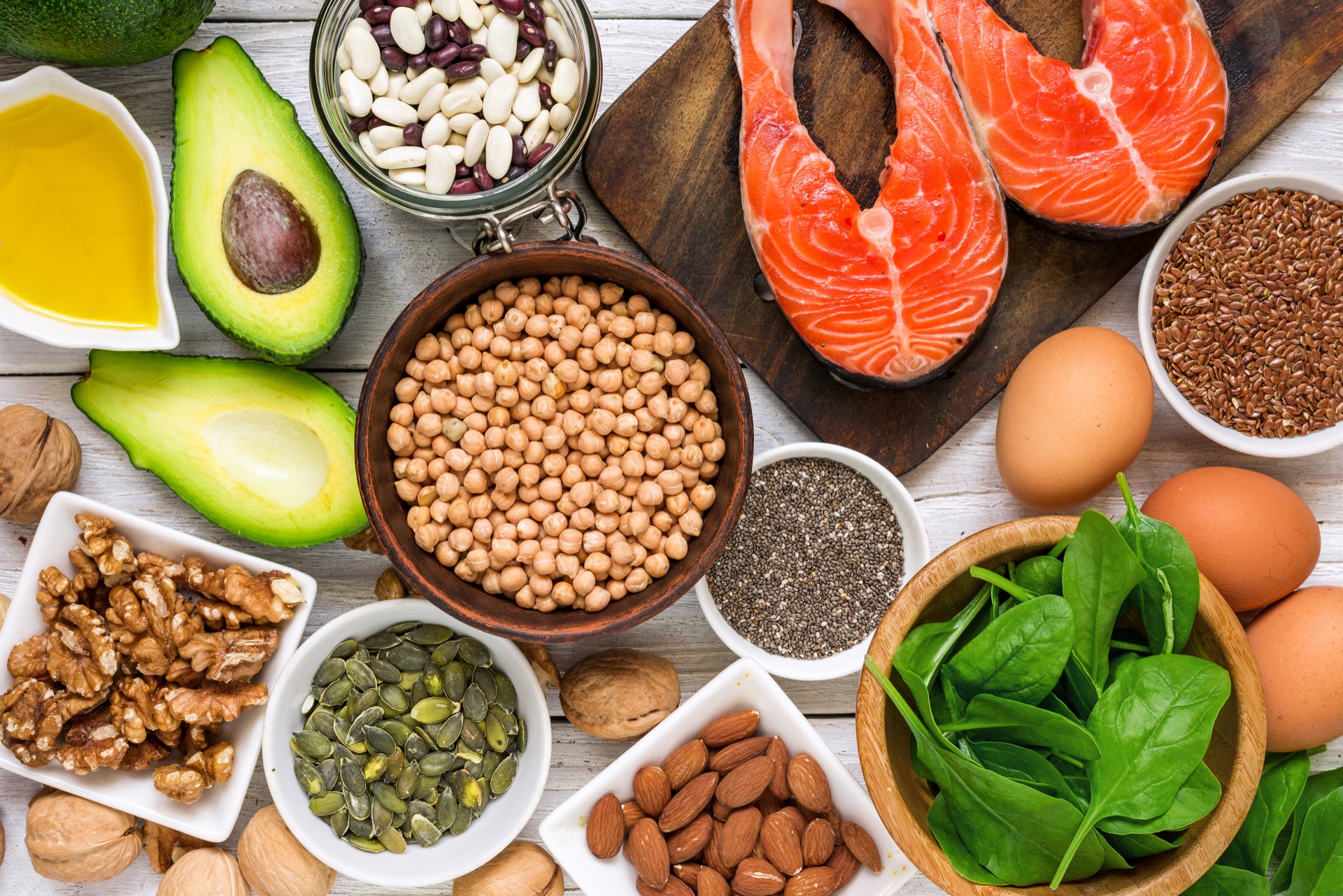
Oats, tuna, eggs, chicken, and legumes are examples of ingredients that have a good content of proteins, fiber, and healthy carbohydrates at a low price. When you combine this with frozen vegetables, you also meet your needs for vitamins and minerals in an affordable way.
When you put together meals based on such ingredients, you get everything your body needs to perform and recover – without emptying your wallet.
Another point is that the affordable ingredients are often more versatile than one might think.
Oats can be used for breakfast, snacks, and as a base in baked goods. Eggs can be used for all meals throughout the day, and legumes fit just as well in soups and stews as in salads.
How many calories should each meal contain when you train?
To get the most out of this plan, emphasis has been placed on balance and simplicity.
Each meal is composed so that you get a good combination of proteins, fiber-rich carbohydrates, and healthy fats.
The calorie distribution is tailored for you who train: breakfast around 500 kcal, lunch 600-700 kcal, dinner around 800 kcal, and snacks around 200-300 kcal.
This provides steady energy throughout the day and enough building blocks for muscle repair and recovery.
The recipes are simple, require few ingredients, and fit into a busy everyday life.
Benefits of a plan that is both simple and affordable
Having a clear plan for what you should eat provides a number of benefits in everyday life. You save a lot of time and avoid using energy to think about what to eat from day to day.
It also makes shopping easier, as you can plan the week's purchases and get everything you need in one trip to the store.
Another significant advantage is the economy. When the recipes are designed to use few and affordable ingredients, it becomes easier to keep costs down. You avoid expensive impulse purchases and use up the ingredients you have at home.
The repetition of the same staple foods in several meals reduces food waste, which is good for both your wallet and the environment.
This plan is also tailored for you who train, so you get the right distribution of nutrients throughout the day.
It provides steady energy, better satiety, and good conditions for both recovery and muscle growth. Additionally, the recipes are simple enough to fit into a busy everyday life, yet varied enough so that you don't get bored.
A budget-friendly diet makes it easier to maintain good routines, gives you more for your money, and ensures that you get what your body actually needs – without spending your entire budget on food.
[](https://hardworkout.no/bygg-muskler-smart-fem-ukentlige-okter-med-variert-belastning/)

How do you cut the food bill without cutting nutrition?
A diet that supports training and muscle growth doesn't have to be expensive.
Even when using affordable ingredients, there are many small tricks that can make planning even more economical. The secret lies in being conscious of purchases, taking advantage of offers, and using the ingredients smartly.
Buy staple foods like oats, rice, pasta, tuna, and legumes in bulk. The price per kilogram becomes lower, and you always have something at home.
Use frozen vegetables – they have the same nutritional value as fresh ones, but last much longer and make it easier to avoid food waste.
Additionally, you can vary between different protein sources depending on what is cheapest that week. For example, chicken when it's on sale, eggs which are always affordable, or legumes when you want to eat extra economically.
It is also wise to plan a shopping list for the entire week. When you know what you are going to make, you avoid small trips to the store, where it often ends with extra purchases.
Another smart trick is to make several portions at once and freeze them. This way, you always have an affordable and nutritious dinner available, while saving both time and money.
More smart tricks to keep the budget down
- Choose seasonal products: Fruits and vegetables that are in season are both cheaper and tastier.
- Look for the store's own brands: They often have the same quality as well-known brands, but at a lower price.
- Use the whole ingredient: Chop up the stalk of a broccoli or use carrot scraps in soups and stews.
- Substitute parts of the meat with legumes: For example, you can use lentils together with ground beef in stews – cheaper, more fiber, and just as filling.
- Take advantage of offers and freeze: Buy larger quantities of chicken or fish when they are on sale, portion them out, and put them in the freezer.
- Check the "date shelf" at the store: Most stores discount items by 30-50% when there are 1-2 days left until they expire. Put it in the freezer when you get home, and you have a cheap dinner for later.
- Create a "cheap day": Have 1-2 dinners a week based on extra affordable protein sources like eggs, beans, or tuna.
With such measures, you can eat nutritious food and build your body after training. At the same time, you get more for your money and avoid compromising on results.
[](https://hardworkout.no/arsaker-til-at-vektnedgangen-stagnerer/)
