Beta-Carotene Best in Test – Top 10 Beta-Carotene 2026! | Hardworkout Magazine
Key takeaways
- Beta-carotene is a carotenoid pigment that the body converts into vitamin A, and it is the carotenoid most readily converted of them all.
- Roughly 12 mg of dietary beta-carotene is needed to form 1 mg of vitamin A (RAE), equivalent to about one to two large carrots or one medium sweet potato.
- Because beta-carotene is fat-soluble, absorption increases when it is eaten with fat such as olive oil, avocado, nuts or oily fish.
- Smokers, pregnant and breastfeeding women, and people who have recently undergone major surgery are advised against taking beta-carotene supplements.
- Royal Tan is named best in test, priced at 299 kroner for 30 servings with 20 mg of beta-carotene per serving.
Beta-carotene is a dietary supplement that can help give the skin a faster and deeper tan. Here we provide you with an overview of the best beta-carotene supplements on the market today.
Who carried out this beta-carotene test?
In our test of the best beta-carotene on the market, we conducted a thorough analysis together with supplement expert Lennart Holmgreen, the founder of LH Healthpharma Consulting.
Holmgreen has been a senior consultant for over 20 years, specializing in product development, manufacturing, regulation, and sales with a focus on herbal medicines, medical devices, cosmetics, food, and dietary supplements. There are many claims associated with various dietary supplements, but only a few of these claims have scientific backing according to EFSA. Active substances that do not have approved EFSA Claims will not affect the evaluation. The score the active substances have received has been set by Holmgreen.
At the bottom of the article, you can find more information about beta-carotene and the basis for the evaluations.
Beta-carotene Best in Test – Top 10 Beta-carotene 2026!
We at Hardworkout.no are committed to ensuring that the tests are independent and credible. We have emphasized criteria such as ingredients/active substances, stated effects, documented effects, as well as studies and other documentation to compile our top lists.
PS: Prices and selection may vary from day to day. The prices we provide are recommended retail prices. Online stores often have good offers, and the products may be on promotion at a lower price than what is stated here.
We strive to keep the list updated with products that are in stock at all times. Where there are multiple alternative prices, we link to several stores.
By shopping through the links in the test, you contribute to our ability to continue publishing quality-conscious tests and articles, and we greatly appreciate it if you do so. Prices are updated regularly and reflect the best prices on the market.
What is beta-carotene?
Beta-carotene is perhaps best known as a dietary supplement, but it is actually a natural pigment in the group of carotenoids.
Carotenoids are a group of red/yellow/orange fat-soluble pigments that give color to many plants, fruits, and vegetables.
When we consume carotenoids either through food or supplements, the body converts these into active vitamin A (retinol). Among all carotenoids, beta-carotene is the one that is most easily converted into vitamin A.
Vitamin A has several important functions in the body, including ensuring normal iron metabolism, maintaining normal mucous membranes, normal vision, normal skin, and normal immune function.
The active ingredient thus acts as an antioxidant and, in addition to potentially contributing to a more golden skin tone, has an indirect effect on skin, mucous membranes, and the immune system.
What can you expect from a beta-carotene supplement?
- You get a golden tan without having to spend much time in the sun.
- Enhances the tan you already have and can make it more golden.
- It protects the skin from damage and free radicals. Free radicals accelerate the aging process as they damage our cells, and the production of free radicals is particularly high for those who spend a lot of time in the sun.
- Beta-carotene contains carotenoids that are good for our health and strengthen the immune system.
- Contributes to a healthier pregnancy and fetal development.
- Can counteract sun eczema and UV damage to the skin.
- Beta-carotene can also improve the airways and lung function.
- Good for vision.
Why does skin get darker in the sun?
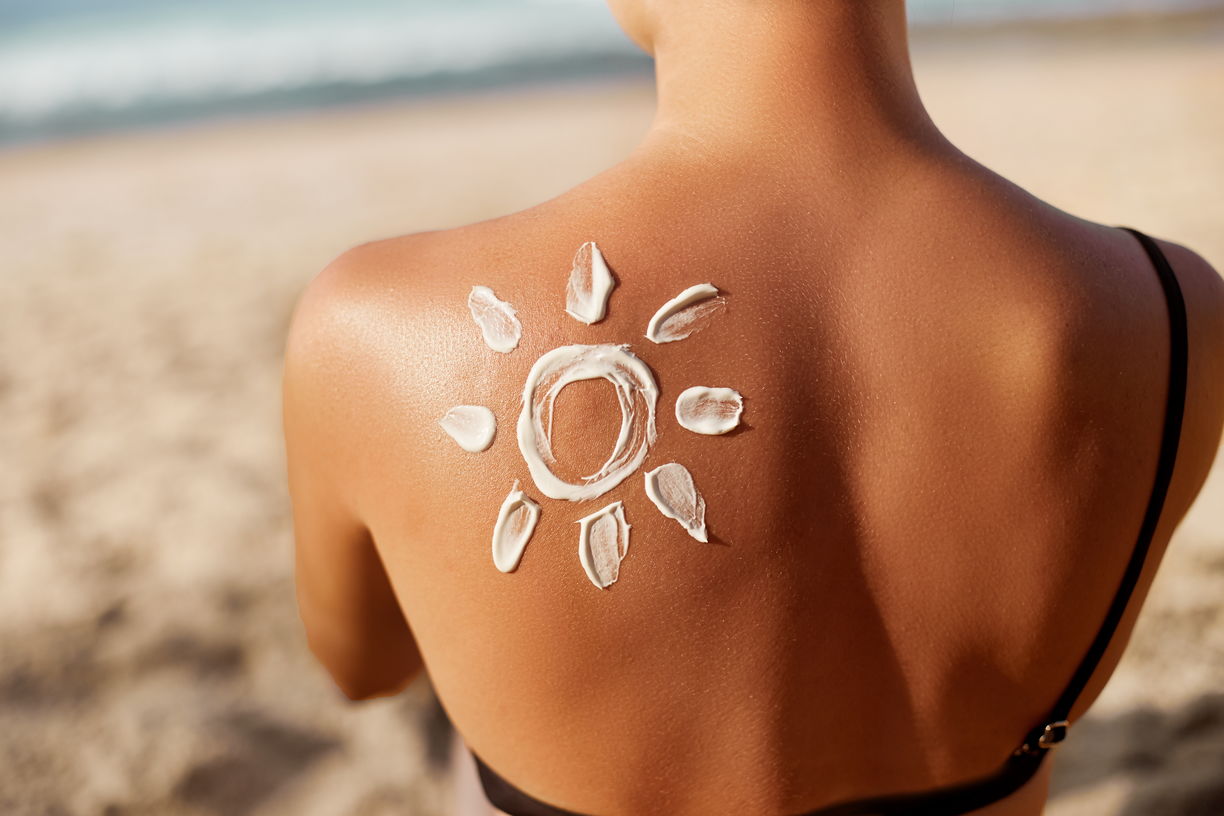
It may come as no surprise that the skin usually gets tanner when exposed to sunlight during the summer months? The sun is a huge energy bomb, constantly emitting energy-rich UV rays.
When your skin is exposed to periods of intense sunlight, these sun rays affect the innermost layer of the skin, causing the body to start producing the pigment melanin, which darkens the skin and protects it from harmful UV rays. This is what makes your skin brown and golden after being out in the sun.
Skin with a high pigment content is generally better protected against sun damage such as sunburn, sun eczema, wrinkles, skin cancer, etc. Like sunlight, it can trigger the production of melanin.
How long does the tan from beta-carotene last?
The body continuously replaces dead skin cells with new healthy skin cells. Every day we lose several million skin cells that are replaced by new healthy skin cells, which again leads to the tan not lasting forever.
How long the skin color lasts, and how strong it is, depends on several factors and will vary from person to person. It is also individual how one reacts to a particular product.
The best beta-carotene supplements usually contain more than just beta-carotene in the form of vitamin A, and provide the body with important nutrients such as collagen, copper, zinc, selenium, and vitamins such as vitamin C, E, B3, and B9.
These are active ingredients that function as antioxidants and protect the cells from oxidative stress, as well as contribute to the normal functionality of the skin. When choosing, you should not just focus on only the amount of beta-carotene.
Which foods contain the most beta-carotene?
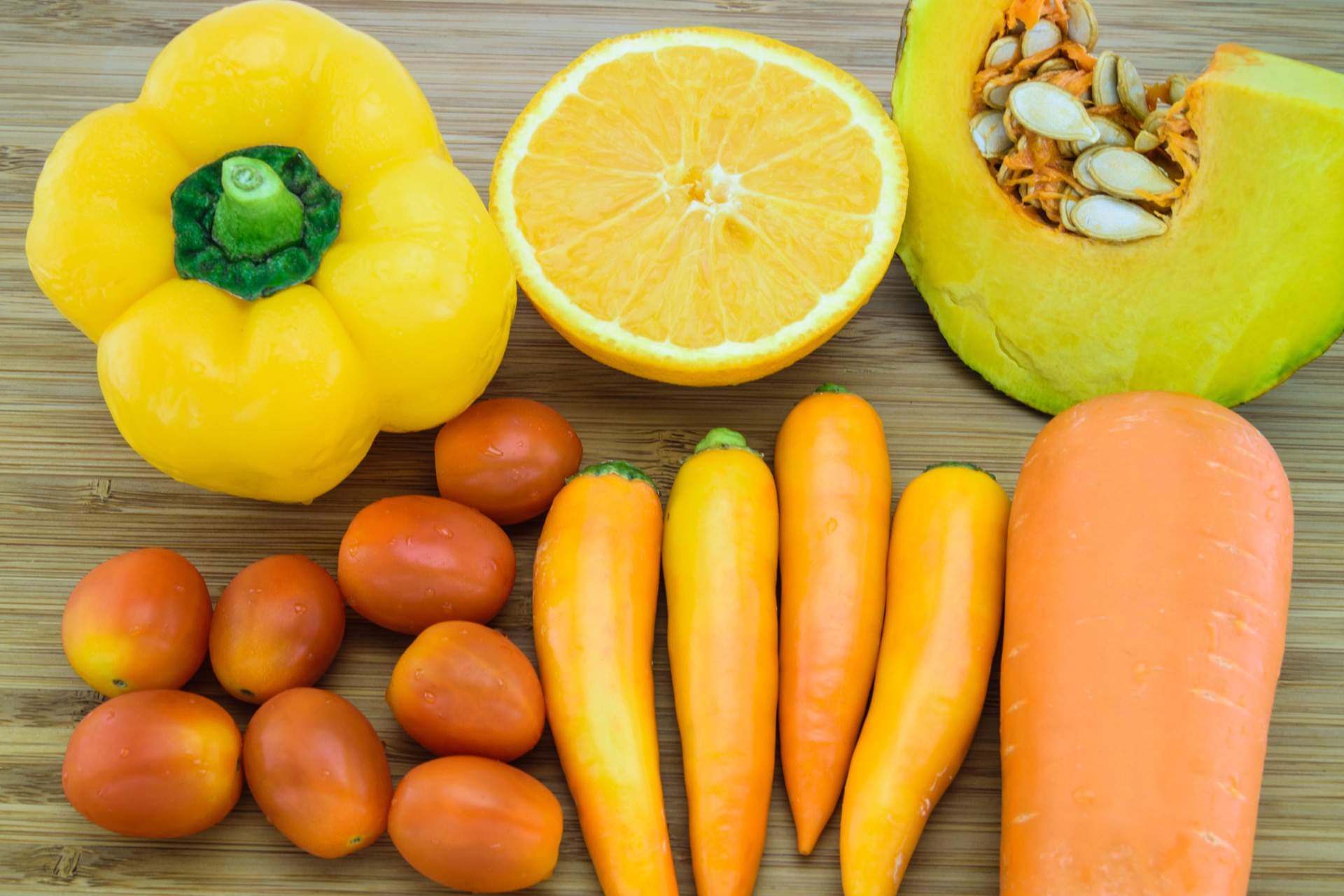
Beta-carotene is naturally found in a variety of foods, especially in fruits and vegetables with strong yellow, orange, or red colors.
Green vegetables can also contain large amounts of beta-carotene, but the green color from chlorophyll means it is not always as visible.
Examples of foods high in beta-carotene:
- Fruits: apricot, mango, papaya, grapefruit, and plums.
- Vegetables: carrot, sweet potato, spinach, kale, bell pepper, tomato, broccoli, and Swiss chard.
- Seafood: salmon, shrimp, crab, and crayfish.
Beta-carotene is the carotenoid that is most easily converted to vitamin A in the body, but the conversion is relatively limited. It takes about 12 mg of beta-carotene from the diet to form 1 mg of vitamin A (RAE) in the body. This corresponds to about 1–2 large carrots or one medium-sized sweet potato.
How much beta-carotene the body actually absorbs varies significantly and is influenced by factors such as how the food is prepared and the composition of the meal. Since beta-carotene is fat-soluble, absorption increases when the food is combined with fat.
It may therefore be wise to eat beta-carotene-rich foods together with healthy fat sources such as olive oil, avocado, nuts, or fatty fish. A little oil over the vegetables or avocado on the bread can be enough to significantly improve absorption.
Who should avoid beta-carotene supplements?
For most people, beta-carotene is safe to consume as a dietary supplement, but certain groups are advised against taking the active ingredient as a supplement. This applies to the following:
- Smokers. Some studies suggest an increased risk of developing colorectal, lung, and prostate cancer for this group.
- Pregnant and breastfeeding women. There is insufficient research on how this affects the fetus.
- Individuals who have recently undergone major surgeries. The active ingredient may have a reducing effect on healing.
How were the products scored?
As mentioned in the introduction, we have conducted a thorough review of each individual product, and points have only been awarded for active ingredients that have proven effects according to EFSA (European Food Safety Authority). The assessment has been made in collaboration with supplement expert Lennart Holmgreen.
The basis for the assessment is attached as PDF files below: