Antioxidants – what are they, and why do we need them? | Hardworkout Magazine
Key takeaways
- Antioxidants protect the body's cells from damage caused by free radicals and other reactive compounds, but the body also has its own enzyme-based defence system.
- Free radicals are not only harmful: they help the immune system fight microorganisms and act as signalling molecules that stimulate the formation of new mitochondria during exercise.
- Long-term use of high-dose antioxidant supplements can inhibit some of the muscle adaptations that training is meant to produce, according to the International Society of Sports Nutrition's 2026 position stand.
- Most people who eat a varied diet of fruit, vegetables, berries, nuts, seeds and whole grains get enough antioxidants from food and do not need supplements.
- High-dose supplements carry real risks: vitamin E in large doses can increase the risk of bleeding, and large amounts of beta-carotene can increase lung cancer risk in smokers.
Antioxidants play an important role in the body's protection against harmful substances that are naturally formed in the cells. We obtain them, among other things, through fruits, vegetables, berries, and nuts, but the body also has its own defense against oxidative damage.
Even though antioxidants are necessary for normal cell function, that does not mean that larger amounts are always better. Which foods are the best sources, and when might supplementation be necessary?
What are antioxidants?
Antioxidants are substances that protect the body's cells from damage caused by free radicals and other reactive compounds.
Why does the body form free radicals in the first place?
Free radicals are formed naturally when the body produces energy, during inflammatory reactions, and during physical activity. Production can also increase due to influences such as UV radiation, smoking, and air pollution.
Free radicals also have important functions in the body. They help the immune system fight microorganisms and participate in signaling processes that regulate cellular activity.
What is oxidative stress?
When the production of reactive compounds exceeds the body's ability to regulate them, oxidative stress occurs. This can lead to damage to proteins, lipids, and DNA. Prolonged oxidative stress is also linked to the development of several chronic diseases.
The body has its own defense system with enzymes such as superoxide dismutase, catalase, and glutathione peroxidase. These help break down reactive oxygen species, while antioxidants from the diet provide additional protection against oxidative damage.
What antioxidants do we need?
Several vitamins and minerals have important functions in the body's protection against oxidative stress. They work in different ways and cannot necessarily replace each other.
- Vitamin C: Is water-soluble and helps protect cells against oxidative stress. It also helps regenerate vitamin E.
- Vitamin E: Is fat-soluble and protects the fats in cell membranes from oxidation.
- Selenium: Is part of glutathione peroxidase and other enzymes that break down harmful oxygen compounds.
- Zinc: Is necessary for the normal function of, among other things, the enzyme superoxide dismutase.
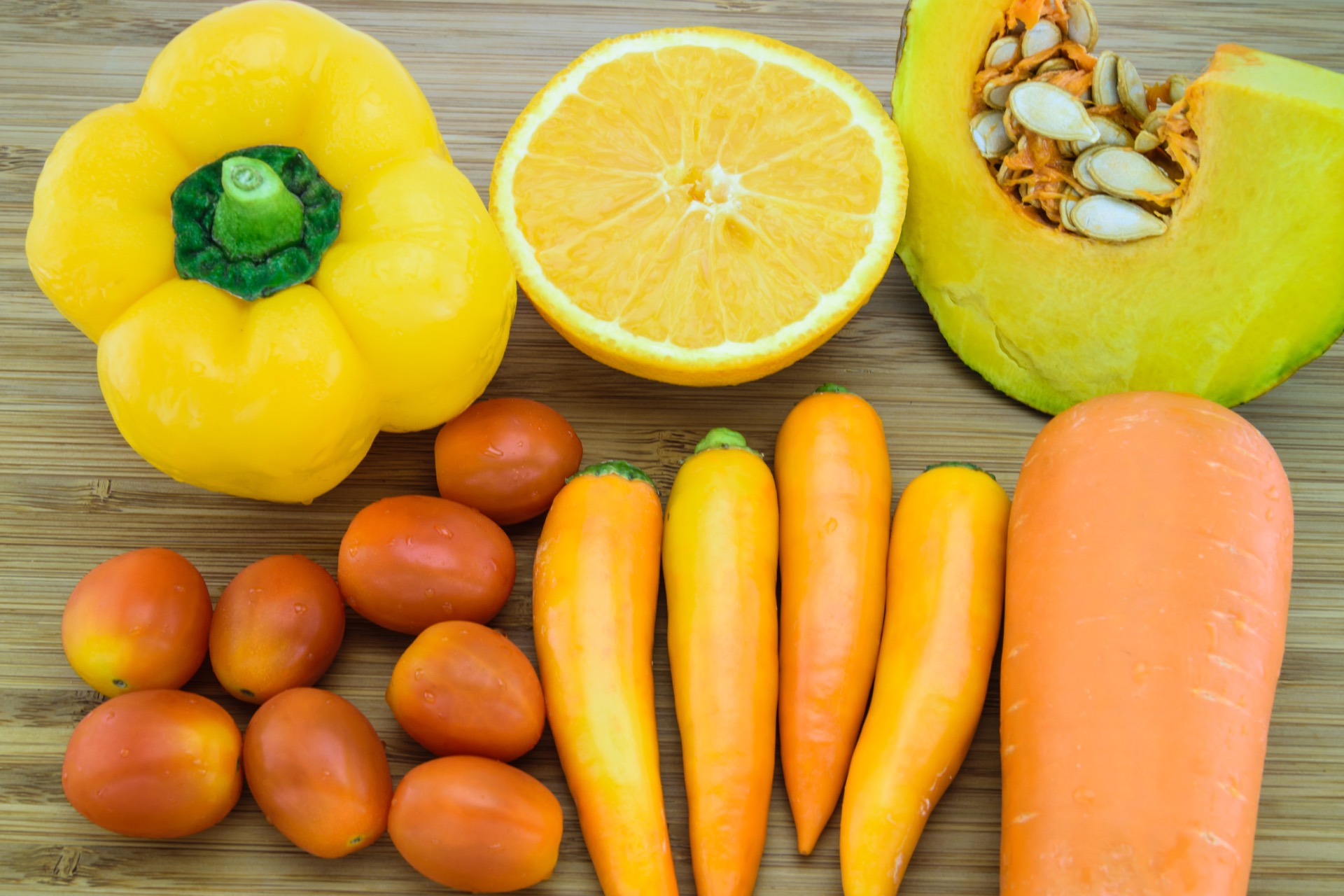
- Carotenoids: Natural pigments in plants, including beta-carotene and lycopene, which give fruits and vegetables yellow, orange, and red colors. Several of these have antioxidant effects.
- Polyphenols: Found in plants and can, among other things, influence the cells' own defense mechanisms against oxidative stress.

Which foods contain a lot of antioxidants?
Fruits, vegetables, berries, nuts, and seeds are among the most important sources of antioxidants in the diet.
- Berries and fruits: Blackcurrants, strawberries, kiwis, and citrus fruits are good sources of vitamin C. Blueberries and raspberries also contain various polyphenols.
- Vegetables: Bell peppers and broccoli contain vitamin C, while carrots and sweet potatoes are rich in beta-carotene. Tomatoes contain lycopene.
- Nuts and seeds: Almonds, hazelnuts, and sunflower seeds contain vitamin E, while Brazil nuts are particularly rich in selenium.
- Whole grains and legumes: Oats, whole grain bread, beans, and lentils contribute polyphenols and minerals that are part of the body's antioxidant defense.
Coffee, tea, and cocoa also contain polyphenols. The antioxidant content varies among foods, and a varied diet therefore provides a broader combination of these substances.
Antioxidants and Training
Do antioxidant supplements interfere with training adaptations?
During exercise, the production of free radicals increases, which among other things contributes to the muscles adapting to the training.
Free radicals also function as signaling molecules that stimulate the formation of new mitochondria. This allows the muscles to become better at producing energy using oxygen.
[Research from the International Society of Sports Nutrition (2026)](https://www.tandfonline.com/doi/full/10.1080/15502783.2026.2629828) shows that long-term use of high doses of antioxidants can inhibit some of these adaptations. At the same time, certain antioxidants can contribute to better recovery during periods of very demanding training.
The effect depends, among other things, on which substance is used and the dosage.
When Can Supplements Be Necessary?
Most people who eat a varied diet get enough antioxidants through food and do not need separate supplements.
Supplements may be relevant in cases of proven deficiency of certain vitamins or minerals, a very unbalanced diet, or diseases that reduce the absorption of nutrients.
For example, individuals with a very low intake of fruits and vegetables may get too little vitamin C. Certain intestinal diseases can also reduce the absorption of fat-soluble vitamins, such as vitamin E.
Can you get too much of a good thing from antioxidant supplements?
However, large doses of antioxidants can have adverse effects. High doses of vitamin E can increase the risk of bleeding.
Supplements with large amounts of beta-carotene can also increase the risk of lung cancer in smokers. This risk has not been demonstrated with normal intake of beta-carotene from food.
Sources:
Antioxidants Explained in Simple Terms – [Healthline](https://www.healthline.com/nutrition/antioxidants-explained)
Gonzalez, D. E. et al. (2026). International Society of Sports Nutrition position stand: effects of dietary antioxidants on exercise and sports performance – [Journal of the International Society of Sports Nutrition](https://www.tandfonline.com/doi/full/10.1080/15502783.2026.2629828)