Anti-inflammatory Diet for Those Who Train – Strengthen Health and Recovery | Hardworkout Magazine
Key takeaways
- An anti-inflammatory diet is built on vegetables, berries, oily fish, pulses, nuts, seeds, wholegrains and spices such as ginger and turmeric, while processed food, sugar, red meat and refined grains are limited.
- People who train and eat largely plant-based need to pay particular attention to protein sources and amounts, and may need protein powder to reach their daily intake.
- Daily calorie needs are estimated by calculating BMR with the Mifflin formula and multiplying it by an activity factor (PAL) from 1.2 for the bedridden to 2.4 for physically demanding work.
- The article recommends 300–450 g of lean fish per week, of which 200 g should be oily fish, and at least 250 mg EPA/DHA daily for those who eat little fish.
An anti-inflammatory diet is not about cutting everything out – but about choosing foods that provide the body with the nutrients it needs to perform and recover.
If you train a lot, it is especially important to eat foods that support recovery, reduce inflammatory processes, and strengthen the body's immune system. When you provide your body with the right fuel, you gain more energy and increased resilience against stress and injuries over time.
Anti-inflammatory diet – in brief:
What is an anti-inflammatory diet, in short?
This diet is about supporting the body's natural ability to regulate inflammation and promote good health.
The diet is based on foods that are rich in antioxidants, fiber, healthy fats, and plant-based nutrients.
Typical foods include vegetables, berries, fatty fish, legumes, nuts, seeds, whole grains, and spices like ginger and turmeric.
Processed foods, sugar, red meat, and refined grain products should be limited or avoided.
Studies show that such a diet can lower levels of inflammatory markers in the body and provide measurable health benefits.
For those who train, it can contribute to better recovery, less soreness, and a stronger immune system.
The weekly menu provides you with nutritious and varied meals with a good balance of proteins, fats, and carbohydrates.
The diet is suitable for anyone who wants more energy, stable blood sugar, and long-term good health – not just for those who have issues.
The diet that protects the body from within
An anti-inflammatory diet focuses on foods that can help keep the body's inflammation levels in balance.
Why does chronic inflammation matter for recovery?
In everyday life, we are exposed to various stressors such as stress, poor sleep, intense training, and ultra-processed foods – all of which can trigger a persistent inflammatory response in the body.
When this condition persists over time, it can negatively affect recovery, muscle repair, immune function, and overall health.
Prioritize foods that are rich in antioxidants, fiber, omega-3 fatty acids, and phytochemicals (plant compounds) – such as vegetables, berries, fatty fish, nuts, and whole grains, to support the body's natural ability to reduce inflammation.
This will not only provide better recovery and less soreness after training but also contribute to better energy, hormonal balance, and a body that can withstand more stress over time.
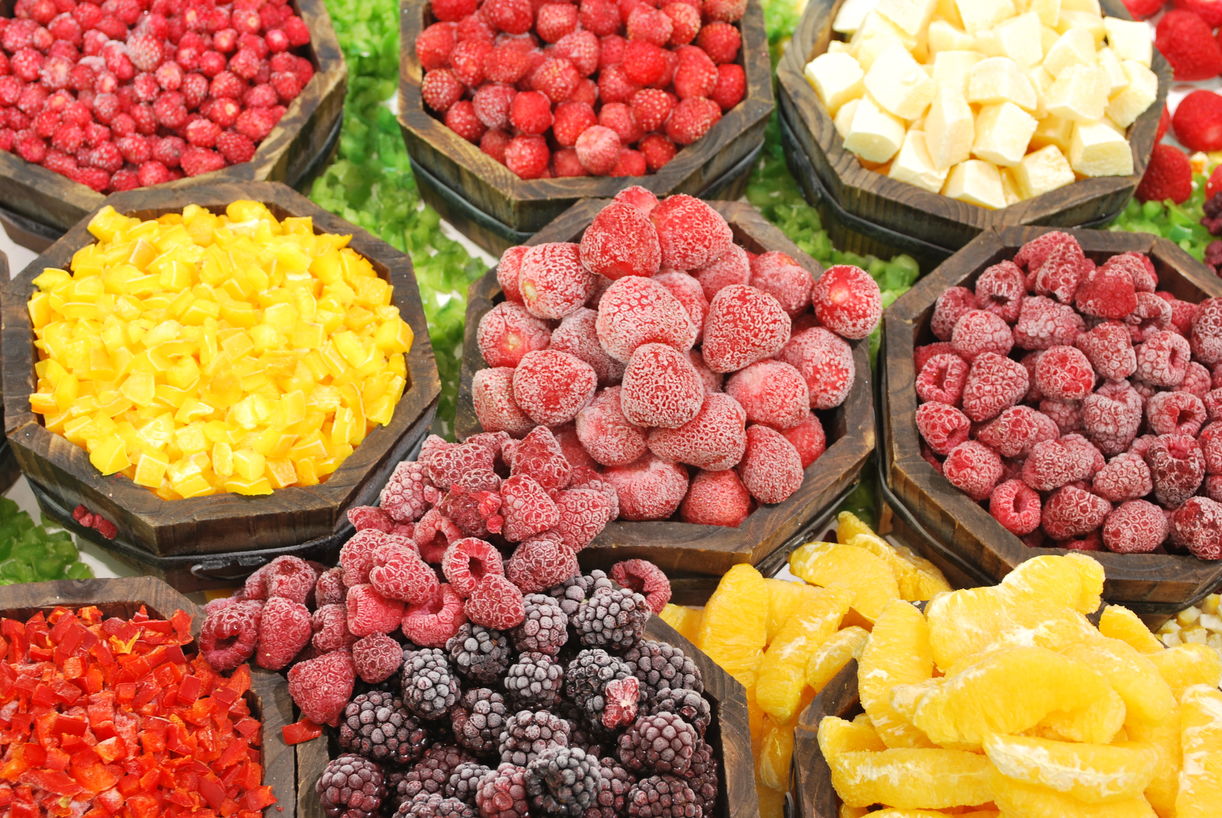
Think of it as a lifestyle change – not a diet
Instead of a short-term diet, this is a smart way of eating that builds you stronger over time.
Chronic, persistent inflammation in the body is linked to a range of diseases and reduced recovery. According to a [study](https://www.ncbi.nlm.nih.gov/sites/books/NBK597377/) from 2023, lifestyle changes, including diet, can play an important role in counteracting this type of inflammation in the body.
A recent [study](https://bmcpublichealth.biomedcentral.com/articles/10.1186/s12889-025-22544-3) published in 2025 showed that individuals who followed an anti-inflammatory diet had lower levels of substances in the blood associated with inflammation in the body.
This suggests that this type of diet can actually contribute to better health and less strain on the body over time.
Who is an anti-inflammatory diet suitable for?
This type of diet is especially suitable for:
- You who train a lot – who want better recovery, less soreness, and more energy in everyday life.
- Individuals with inflammation-related issues – such as joint pain, skin problems, or challenges related to digestion.
- You who want to prevent disease – by supporting long-term health with natural and balanced foods.
- Anyone who wants a sustainable and health-promoting diet, without strict restrictions.

Benefits of an anti-inflammatory diet
An anti-inflammatory diet has many health benefits, especially for those who train a lot and want to support the body both in the short and long term.
The diet helps to reduce inflammatory processes in the body and can alleviate pain in muscles and joints – leading to better recovery and less discomfort after intense training sessions.
The diet supports good muscle health, immune function, and cognitive function, while also contributing to stable energy throughout the day due to fiber-rich and nutrient-dense foods.
This is a natural and sustainable diet that is easy to maintain over time – and that builds a robust and well-functioning body.
[](https://hardworkout.no/airfryer-topp-10-best/)

Disadvantages and challenges of following the diet
Although the diet has many benefits, it also requires some adjustments.
It may require a bit more planning and cooking, especially at the beginning – when one must replace more processed foods with fresh ingredients.
For those who are used to eating a lot of red meat, fatty dairy products, and convenience foods, it may feel unusual to reduce the intake of these.
Less sugar and ultra-processed foods can also lead to more cravings for sweets at first.
For those who do strength training and have a high protein requirement, it is important to be mindful of protein sources and amounts – especially if you base a large part of your diet on more plant-based foods.
There may then be a need to supplement with [protein powder](https://hardworkout.no/proteinpulver/) to get enough protein throughout the day.
But with some adjustments and patience, these challenges can be overcome, and the reward is a stronger and more resilient body.
Foods you should eat more of
These foods are rich in anti-inflammatory substances such as omega-3, fiber, antioxidants, and polyphenols (plant compounds):
- Vegetables: especially dark leafy greens (spinach, kale), broccoli, bell peppers, and beets.
- Berries: blueberries, raspberries, strawberries.
- Fruits: pomegranate, oranges, apples.
- Fatty fish: salmon, trout, sardines, mackerel (at least 2-3 days a week).
- Whole grains: oats, barley, quinoa, brown rice.
- Legumes: lentils, beans, chickpeas.